

bits and pieces scrapbook
Re: bits and pieces scrapbook
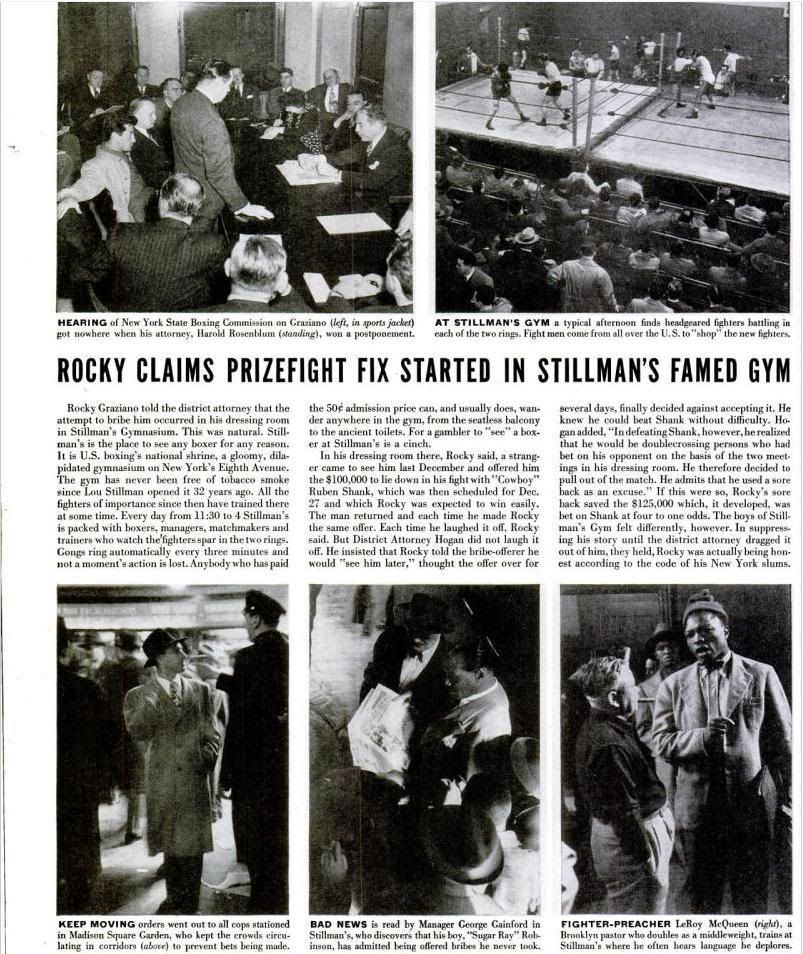
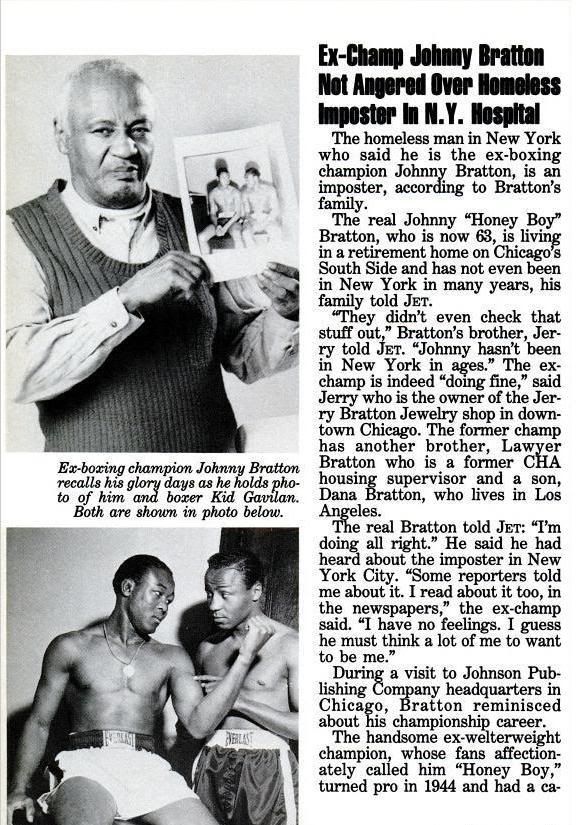
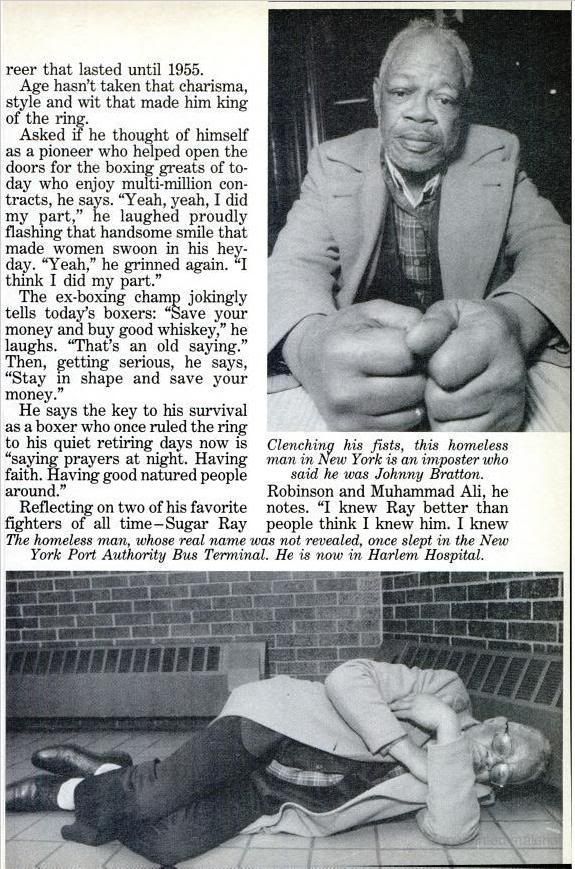
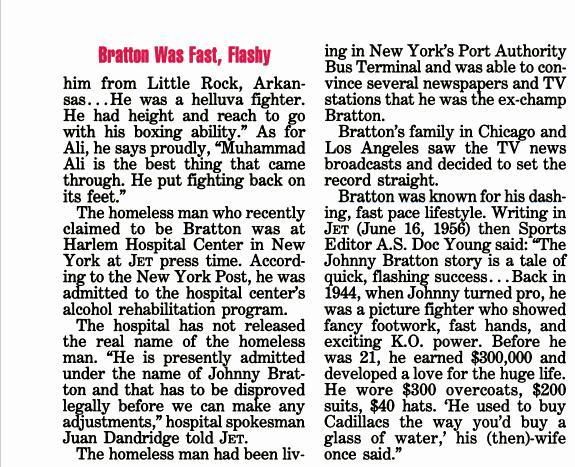
from 1960..

Re: bits and pieces scrapbook
By Wright Thompson from ESPN...worth reading....sad reading this though..
.......................................
I went to see Muhammad Ali on Thursday night, and hours later I'm still struggling with the profound sadness of the evening. I'm not sure if other people felt it as strongly as I did, but I walked out of the 5th Street Gym in a daze.
Arriving at the party, I wasn't sure what I'd find. I'd heard he has good days and bad days. I know he loves children and still likes to laugh. Maybe he'd be feeling warm and nostalgic.
The occasion was a joyous one. Ali's old trainer, Angelo Dundee, was reopening his famous gym and Ali agreed to attend the celebration. I wanted to see him for lots of reasons. Part of it was a "bucket list" sort of deal. But I also wanted a glimpse of the old Ali. Does that person still exist? If you're in the room with him, can you still feel the spark?
Hundreds of people packed into the gym. We were all pouring sweat. Entire shirts, drenched. There was no air conditioning. Every so often, folks stepped out into the muggy Miami night to cool off. While they waited, people talked among themselves about wanting to see Ali. They talked about him like he was the Eiffel Tower or the Grand Canyon. He's an attraction. Something to see, not to be moved by the experience, but to check it off. I saw my own motives reflected in the people around me, and it made me feel guilty.
A few old friends and lots of boxing people came, but much of the crowd was there to worship in the church of celebrity. The altar was set: velvet rope outside with a guest list and VIP badges, a deejay inside, party girls in tight dresses and trendy shoes. A man dressed as a gaucho served meat. The bartenders looked dressed for the midnight shift at the Tropicana. The only thing missing was bottle service. The whole event felt like a South Beach club opening.
I slid out the door to get a break. On the street, I saw Bert Sugar, the famous old boxing writer. He wore a seersucker jacket and smoked a thick cigar. He looked at the new gym, and at the Wachovia bank next door, where the original stood until they knocked it down.
I asked Sugar if it made him sad to see Ali.
"No," he says.
He said seeing Ali makes him think about him how fast the world moves. Everyone from that time is old or gone. Nothing reminds him more of his vanished youth than seeing Ali struggle. When they were kings, indeed.
"We were young with Ali," he says.
Once, Ali could knock out George Foreman. Now? Every morning, Dundee's right-hand man Mark Grismer told me, he has to make a decision. His Parkinson's medicine controls the shakes and allows him to be in public, but he can't talk when he takes it. So he has to choose: shake or talk?
A few years ago, Sugar tells me, he asked Ali if he regretted boxing. Ali told him that if he didn't box, he'd have been a sign painter in Louisville. The pleasure was worth the pain.
"To become the most famous man in the world?" Sugar says, trailing off.
Back inside the party, it was really, really hot. Every man in the place had a wringing wet shirt. The crowd grew restless, aggressive. They wanted their dose of celebrity and they wanted it 10 minutes ago.
"Put your cameras away," one organizer yelled. "This is no joke!"
"If you have a phone or a camera," another yelled, "it's gone."
Some movement in the corner got the crowd's attention, and everyone rushed to the back. Another velvet rope cordoned off a wide, round table. Partygoers pressed against the rope, bunched up close.
"Let me see Ali so I can leave," a man said.
"I'm about ready to throw in the towel," another said. "I've seen him before."
An organizer screamed at the crowd.
"Ali is not coming unless everybody takes two steps back," he yelled.
"Is he actually here?" a guy asked.
The event folks were red-faced.
"He's not coming if you don't back up!"
"We're about to lose our guest of the evening. We're not gonna have our guest. I'm serious!"
It became apparent that Ali was in the building, and he wasn't coming out until there was more room. This went on and on, with organizers standing on chairs, screaming into the crowd. People stared at the back door, as if to will him to walk through it. No one moved. A woman got on the microphone.
"I know it's hot. I know everybody's a little bit cranky. Mr. Ali doesn't want to feel claustrophobic."
"You knock over the ropes," an organizer yelled, "he's not gonna come out."
Then, after a half-hour of bouncers pushing back the crowd, Ali arrived. He shuffled to his seat. His sister-in-law, Marilyn, and his manager, Bernie, helped. He sat down and drank a glass of water while Marilyn held a napkin under his mouth. It felt like a zoo. This wasn't a cocktail party for Ali. It was a public viewing.
"I saw the top of his head!" a woman gushed.
The crowd chanted: "Ali! Ali! Ali!"
A woman aimed a camera and Marilyn and Bernie pointed frantically. A guy took a picture and a bouncer snatched his phone and then physically pushed him toward the door.
"You gotta go," he said.
The event folks wanted to make sure everyone else got the message.
"There's the first example," they crowed.
Ali sat at the table. Marilyn slipped a pair of sunglasses on his face. Someone put a photo book about him on the table and Ali opened it up. It was a circus around him, and, in the middle of the madness, he gently lifted each page and turned, his long fingers delicate on the glossy paper. Soon, after 20 minutes, he'd be whisked into a waiting SUV, where Marilyn would strap him into the front seat.
But in the moment, people crowded around him for official photos, dozens of people, moving in and out, grinning, putting their arms around him like he was a mascot. He didn't acknowledge them, or look at the camera. They smiled and posed. He looked down at the book. I wondered what he was thinking, if he felt like a freak show at the carnival. I wondered if he remembered the old building next door, remembered the Beatles coming to visit him there, remembered the promise of those days. He looked sick, and I thought about how much he must love Angelo to fly down here for this.
His lips were pursed. He looked absent and lost, like a wax statue, and I found myself 15 feet away from the most famous man in the world, overcome with sadness. I hoped this was just a bad day, hoped tomorrow would be different. The groups of people came and went for their picture, one woman giving a fist pump and hollering "Yeah!" after the shutter clicked.
Ali just sat there, sunglasses hiding his famous eyes. He flipped the pages, slowly looking at photographs of the man he used to be.
.......................................
I went to see Muhammad Ali on Thursday night, and hours later I'm still struggling with the profound sadness of the evening. I'm not sure if other people felt it as strongly as I did, but I walked out of the 5th Street Gym in a daze.
Arriving at the party, I wasn't sure what I'd find. I'd heard he has good days and bad days. I know he loves children and still likes to laugh. Maybe he'd be feeling warm and nostalgic.
The occasion was a joyous one. Ali's old trainer, Angelo Dundee, was reopening his famous gym and Ali agreed to attend the celebration. I wanted to see him for lots of reasons. Part of it was a "bucket list" sort of deal. But I also wanted a glimpse of the old Ali. Does that person still exist? If you're in the room with him, can you still feel the spark?
Hundreds of people packed into the gym. We were all pouring sweat. Entire shirts, drenched. There was no air conditioning. Every so often, folks stepped out into the muggy Miami night to cool off. While they waited, people talked among themselves about wanting to see Ali. They talked about him like he was the Eiffel Tower or the Grand Canyon. He's an attraction. Something to see, not to be moved by the experience, but to check it off. I saw my own motives reflected in the people around me, and it made me feel guilty.
A few old friends and lots of boxing people came, but much of the crowd was there to worship in the church of celebrity. The altar was set: velvet rope outside with a guest list and VIP badges, a deejay inside, party girls in tight dresses and trendy shoes. A man dressed as a gaucho served meat. The bartenders looked dressed for the midnight shift at the Tropicana. The only thing missing was bottle service. The whole event felt like a South Beach club opening.
I slid out the door to get a break. On the street, I saw Bert Sugar, the famous old boxing writer. He wore a seersucker jacket and smoked a thick cigar. He looked at the new gym, and at the Wachovia bank next door, where the original stood until they knocked it down.
I asked Sugar if it made him sad to see Ali.
"No," he says.
He said seeing Ali makes him think about him how fast the world moves. Everyone from that time is old or gone. Nothing reminds him more of his vanished youth than seeing Ali struggle. When they were kings, indeed.
"We were young with Ali," he says.
Once, Ali could knock out George Foreman. Now? Every morning, Dundee's right-hand man Mark Grismer told me, he has to make a decision. His Parkinson's medicine controls the shakes and allows him to be in public, but he can't talk when he takes it. So he has to choose: shake or talk?
A few years ago, Sugar tells me, he asked Ali if he regretted boxing. Ali told him that if he didn't box, he'd have been a sign painter in Louisville. The pleasure was worth the pain.
"To become the most famous man in the world?" Sugar says, trailing off.
Back inside the party, it was really, really hot. Every man in the place had a wringing wet shirt. The crowd grew restless, aggressive. They wanted their dose of celebrity and they wanted it 10 minutes ago.
"Put your cameras away," one organizer yelled. "This is no joke!"
"If you have a phone or a camera," another yelled, "it's gone."
Some movement in the corner got the crowd's attention, and everyone rushed to the back. Another velvet rope cordoned off a wide, round table. Partygoers pressed against the rope, bunched up close.
"Let me see Ali so I can leave," a man said.
"I'm about ready to throw in the towel," another said. "I've seen him before."
An organizer screamed at the crowd.
"Ali is not coming unless everybody takes two steps back," he yelled.
"Is he actually here?" a guy asked.
The event folks were red-faced.
"He's not coming if you don't back up!"
"We're about to lose our guest of the evening. We're not gonna have our guest. I'm serious!"
It became apparent that Ali was in the building, and he wasn't coming out until there was more room. This went on and on, with organizers standing on chairs, screaming into the crowd. People stared at the back door, as if to will him to walk through it. No one moved. A woman got on the microphone.
"I know it's hot. I know everybody's a little bit cranky. Mr. Ali doesn't want to feel claustrophobic."
"You knock over the ropes," an organizer yelled, "he's not gonna come out."
Then, after a half-hour of bouncers pushing back the crowd, Ali arrived. He shuffled to his seat. His sister-in-law, Marilyn, and his manager, Bernie, helped. He sat down and drank a glass of water while Marilyn held a napkin under his mouth. It felt like a zoo. This wasn't a cocktail party for Ali. It was a public viewing.
"I saw the top of his head!" a woman gushed.
The crowd chanted: "Ali! Ali! Ali!"
A woman aimed a camera and Marilyn and Bernie pointed frantically. A guy took a picture and a bouncer snatched his phone and then physically pushed him toward the door.
"You gotta go," he said.
The event folks wanted to make sure everyone else got the message.
"There's the first example," they crowed.
Ali sat at the table. Marilyn slipped a pair of sunglasses on his face. Someone put a photo book about him on the table and Ali opened it up. It was a circus around him, and, in the middle of the madness, he gently lifted each page and turned, his long fingers delicate on the glossy paper. Soon, after 20 minutes, he'd be whisked into a waiting SUV, where Marilyn would strap him into the front seat.
But in the moment, people crowded around him for official photos, dozens of people, moving in and out, grinning, putting their arms around him like he was a mascot. He didn't acknowledge them, or look at the camera. They smiled and posed. He looked down at the book. I wondered what he was thinking, if he felt like a freak show at the carnival. I wondered if he remembered the old building next door, remembered the Beatles coming to visit him there, remembered the promise of those days. He looked sick, and I thought about how much he must love Angelo to fly down here for this.
His lips were pursed. He looked absent and lost, like a wax statue, and I found myself 15 feet away from the most famous man in the world, overcome with sadness. I hoped this was just a bad day, hoped tomorrow would be different. The groups of people came and went for their picture, one woman giving a fist pump and hollering "Yeah!" after the shutter clicked.
Ali just sat there, sunglasses hiding his famous eyes. He flipped the pages, slowly looking at photographs of the man he used to be.
Re: bits and pieces scrapbook
joe velez.....never knocked out in 181 pro bouts.
his story here...
http://www.award-graphics.com/joey/

his story here...
http://www.award-graphics.com/joey/

Re: bits and pieces scrapbook

Artie Levine, who stood at 5' 8", was a right handed slugger, with an orthodox fighting style. His left hook made him a fighter who no one looked forward to facing in the ring. He was trained by Charley Goldman, the famed trainer of boxing legend Rocky Marciano.
Levine fought professionally for eight years (1941–49) before retiring at the age of 24.
On November 6, 1946, Levine challenged Sugar Ray Robinson. Robinson claimed Levine hit him with the hardest punch of his career when he knocked Sugar Ray down and out for a 21-second long count.
Instead of directing Levine back to his corner, the referee walked him to his corner then returned about 10 seconds later to begin the count on Robinson. Robinson came back and KO'd Levine in the tenth round.
Of the fight, The Ring Magazine wrote:
Sugar ... was almost kayoed in the fourth round. A left hook, followed by a right cross, both to the chin, put (him) down and almost out... Sugar rose unsteadily and called upon all his ring skill and stamina to last out the round...Sugar had several other close calls during the course of the evening. Artie's left hooks and resounding right crosses occasionally found their marks and with telling effect. Robinson's class and body punching were taking their toll from the heavier Levine as the bout progressed. Sugar started the tenth with knockout intent. With the round about two minutes gone, Sugar paralyzed Artie with a right to the solar plexus. Then Sugar became a 'killer,' throwing punches with reckless abandon to both head and body with the result that Artie was beaten to the floor. (The Ring, January 1947, page 34)
"Yes, I was the first guy to knock him out. They gave him a long count….I knocked him out, but they gave him a 20-second count. There was a riot at ringside. They protected him at Cleveland. The referee walked me back to my corner and then he picked the count up at ‘one.’ He was supposed to start the count immediately upon him going down….It was the largest crowd they ever had in Cleveland at that time. Any fight. I got $25,000 for that fight. It was a lot of money in that time. I got half of the money. $12,500. The manager paid the expenses out of my share. This was an agreement we had. Isn’t that terrible? I got half.”
.
Re: bits and pieces scrapbook

“My mother says now, ‘I don’t know how you ever won any fights….You never won any when you lived here.’ I won my first fight when I was in the 11th grade. I must have been 0 and 40 by then.”
Scott LeDoux to the New York Times, 1980
Re: bits and pieces scrapbook
the payout sheet for the night sugar ray leonard beat tommy hearns in 81
http://boxrec.com/show_display.php?show_id=2085

http://boxrec.com/show_display.php?show_id=2085
Re: bits and pieces scrapbook
“They say I haven’t trained hard enough for this fight. Who is to be the judge of how hard I work? I have worked all right, harder than most people think.” That’s Randy Turpin before the fight with Olson. He only spars 30 rounds leading up to it, and does this with his featherweight-size brother Jackie. Beats the hell out of Jackie, sure, but it ain’t a real workout. Does he not take Carl “Bobo” Olson seriously? Or is he distracted, something on his mind …
A woman. Adele Daniels. The light-skinned beauty from Harlem that Turpin met on his first trip outside of England, back in ’51 when he gave the middleweight title back to Sugar Ray Robinson, the belt he’d taken just months before.
Turpin’s in New York again and she’s hanging around. Getting crazy at his hotel, making a scene. George Middleton, Turpin’s manager, had warned Randy about Adele when they first met. Randy’s getting the message now, and he’s trying to hide out, staying at the camp, laying low. He won’t train in public, won’t talk to the press, even telling folks he may just fly back to England, forget the whole thing.
“Bobo” Olson doesn’t believe all the talk, thinks Turpin is in great shape. Thinks his opponent’s camp is trying to mess with his head, get him to let his guard down. So he trains twice as hard.
A few weeks before the match, Adele Daniels accuses Randy Turpin of assault.
The fight is held at Madison Square Garden, in front of almost 19 000. With Sugar Ray retired, the World Middleweight title is vacant – the winner will take it.
So they get to it. Turpin owns the first three rounds, despite his head being elsewhere. In the fourth, Olson opens up Randy’s cheek with a jab. They go back and forth a bit, but it’s Olson’s round. By the sixth, Olson is taking control, leading the fight.
Ninth round, Turpin gets a couple good shots in, regains confidence. He comes at “Bobo” with a left hook, but Olson slips it. Turpin comes at him with a right, but gets caught with a left hook of Olson’s. Back against the ropes, four, five, six big punches from Olson, no answer from Turpin. Randy gets off the ropes, throws his right but can’t land it. Back to the ropes and it’s left, right, left, right from Olson and Turpin goes down. He beats the count and the round is over.
Turpin’s caught on the ropes with another left hook in the tenth and is down for the second time. The eleventh, bang-bang, double-jab from “Bobo”, putting Turpin on the ropes again. Turpin gets away, only to get caught with a brutal belly shot, and he’s leaning, leaning. It goes on like this, Turpin being held up, Olson moving in, working it. Randy does get a good round off in the thirteenth, avoids punishment and dishes out some of his own, but it’s late.
In the last round, the fifteenth, Turpin lets it hang out, goes for the knockout, but he just can’t land the shot he needs. He takes the round, and there’s some pride in that, but the night is Olson’s.
“If I had been in my natural mental state, I could have stopped him about the eighth round. But I’ve had so many personal troubles recently, I wasn’t myself.” That’s Turpin after the fight. He says Olson is no Sugar Ray.
Adele Daniels drops the assault charges a couple weeks after the fight. She does end up suing Turpin for $100, 000 in damages, but gets only $3500, out of court, in the winter of ’55.
Turpin just fades after that, losing the bouts he needs to stay relevant. When he wins he’s putting down nobodies in nothing-fights. He finally retires in the early sixties. Short on cash, he turns to professional wrestling, but he was never a showman and even those crowds tire of him.
In 1966, he’s bankrupt. He shoots himself, and he’s gone.
But you go to Market Square in Warwick, England and you’ll find a statue of Randy Turpin. You look at that fighting pose, and you can flash way back to July 1951, when he took the belt from Sugar Ray in fifteen rounds. Way back when he got his taste, when everything shone so bright.
~ David Como
A woman. Adele Daniels. The light-skinned beauty from Harlem that Turpin met on his first trip outside of England, back in ’51 when he gave the middleweight title back to Sugar Ray Robinson, the belt he’d taken just months before.
Turpin’s in New York again and she’s hanging around. Getting crazy at his hotel, making a scene. George Middleton, Turpin’s manager, had warned Randy about Adele when they first met. Randy’s getting the message now, and he’s trying to hide out, staying at the camp, laying low. He won’t train in public, won’t talk to the press, even telling folks he may just fly back to England, forget the whole thing.
“Bobo” Olson doesn’t believe all the talk, thinks Turpin is in great shape. Thinks his opponent’s camp is trying to mess with his head, get him to let his guard down. So he trains twice as hard.
A few weeks before the match, Adele Daniels accuses Randy Turpin of assault.
The fight is held at Madison Square Garden, in front of almost 19 000. With Sugar Ray retired, the World Middleweight title is vacant – the winner will take it.
So they get to it. Turpin owns the first three rounds, despite his head being elsewhere. In the fourth, Olson opens up Randy’s cheek with a jab. They go back and forth a bit, but it’s Olson’s round. By the sixth, Olson is taking control, leading the fight.
Ninth round, Turpin gets a couple good shots in, regains confidence. He comes at “Bobo” with a left hook, but Olson slips it. Turpin comes at him with a right, but gets caught with a left hook of Olson’s. Back against the ropes, four, five, six big punches from Olson, no answer from Turpin. Randy gets off the ropes, throws his right but can’t land it. Back to the ropes and it’s left, right, left, right from Olson and Turpin goes down. He beats the count and the round is over.
Turpin’s caught on the ropes with another left hook in the tenth and is down for the second time. The eleventh, bang-bang, double-jab from “Bobo”, putting Turpin on the ropes again. Turpin gets away, only to get caught with a brutal belly shot, and he’s leaning, leaning. It goes on like this, Turpin being held up, Olson moving in, working it. Randy does get a good round off in the thirteenth, avoids punishment and dishes out some of his own, but it’s late.
In the last round, the fifteenth, Turpin lets it hang out, goes for the knockout, but he just can’t land the shot he needs. He takes the round, and there’s some pride in that, but the night is Olson’s.
“If I had been in my natural mental state, I could have stopped him about the eighth round. But I’ve had so many personal troubles recently, I wasn’t myself.” That’s Turpin after the fight. He says Olson is no Sugar Ray.
Adele Daniels drops the assault charges a couple weeks after the fight. She does end up suing Turpin for $100, 000 in damages, but gets only $3500, out of court, in the winter of ’55.
Turpin just fades after that, losing the bouts he needs to stay relevant. When he wins he’s putting down nobodies in nothing-fights. He finally retires in the early sixties. Short on cash, he turns to professional wrestling, but he was never a showman and even those crowds tire of him.
In 1966, he’s bankrupt. He shoots himself, and he’s gone.
But you go to Market Square in Warwick, England and you’ll find a statue of Randy Turpin. You look at that fighting pose, and you can flash way back to July 1951, when he took the belt from Sugar Ray in fifteen rounds. Way back when he got his taste, when everything shone so bright.
~ David Como


Re: bits and pieces scrapbook
the oldest ages of participants in a professional boxing match...
William Jubb vs. George Washington Brown
from boxrec via the new york times -
(Jubb was 92 & Brown was 80.) They boasted "whiskers of the Kentucky colonel type and through the four rounds both vainly tried time and again to reach the button. Round one found octogenarians waving like palm trees in the gentle ocean breeze." Brown floored Jubb's false teeth in the third stanza. By the end of the bout "both aspirants were locked in an embrace on the floor [after falling during a clinch] as 2,000 tourists cheered.... Charles W. Eldridge, the referee, 101 years old, declared the battle a draw." New York Times
http://boxrec.com/list_bouts.php?human_ ... &cat=boxer
William Jubb vs. George Washington Brown
from boxrec via the new york times -
(Jubb was 92 & Brown was 80.) They boasted "whiskers of the Kentucky colonel type and through the four rounds both vainly tried time and again to reach the button. Round one found octogenarians waving like palm trees in the gentle ocean breeze." Brown floored Jubb's false teeth in the third stanza. By the end of the bout "both aspirants were locked in an embrace on the floor [after falling during a clinch] as 2,000 tourists cheered.... Charles W. Eldridge, the referee, 101 years old, declared the battle a draw." New York Times
http://boxrec.com/list_bouts.php?human_ ... &cat=boxer
Re: bits and pieces scrapbook
"The perfect prizefighter, to me, next to Dempsey, in type the pure, unspoiled standard bearer of the prize ring was a middleweight from Nebraska by the name of Ace Hudkins. He wasn't the best fighter in the world, indeed he was never a world's champion; but he was tough, hard, mean, cantankerous, combative, foul, nasty, courageous, acrimonious, and filled at all times with bitter and flaming lust for battle. If there was a kindly trait in Hudkins, I never knew it.
He weighed roughly around 150 pounds and had sort of pinkish, tousled hair, a long stubborn jaw that always showed a four-day stubble of beard, and a pair of the most baleful and vindictive blue eyes ever placed in a human head. His lips were thin and his teeth always bared in a snarl. He was utterly vicious, truculent, and brutal. He would heel, rip, thumb and butt with his head. He was meant to be strictly a rough-and-tumble bar-room fighter."
(Paul Gallico - sports editor of the New York Daily News)
.
.
New Yorkers had gathered to cheer their favorite, Ruby Goldstein, the pale-skinned boy with the big eyes they called the Jewel of the Ghetto on a warm June night in 1926. They had cheered him through 23 straight victories; tonight would be another as he knocked out some rube from out West, a raw kid called Ace Hudkins.
When the fight was made, another ghetto favorite, lightweight Sid Terris, sounded a warning. Sid had outboxed Hudkins in Chicago for a decision a few months previously, and he cautioned, "That Hudkins, he's too tough. Keep him away from Ruby, I'm telling you. He'll chase anybody out of the ring" But they hadn't heard of Ace Hudkins in New York and they backed Ruby with every dollar not nailed down. It was all over inside four rounds. Ace climbed off the canvas in the first round and in round four hung Goldstein over the ropes like a bundle of wet washing.
The Evening Journal headline on June 26 said it all: '$400,000 Changed Hands. It would be remembered as the fight that broke the Jewish banks.' It was the fight that made Ace Hudkins.
(by John Jarrett)

He weighed roughly around 150 pounds and had sort of pinkish, tousled hair, a long stubborn jaw that always showed a four-day stubble of beard, and a pair of the most baleful and vindictive blue eyes ever placed in a human head. His lips were thin and his teeth always bared in a snarl. He was utterly vicious, truculent, and brutal. He would heel, rip, thumb and butt with his head. He was meant to be strictly a rough-and-tumble bar-room fighter."
(Paul Gallico - sports editor of the New York Daily News)
.
.
New Yorkers had gathered to cheer their favorite, Ruby Goldstein, the pale-skinned boy with the big eyes they called the Jewel of the Ghetto on a warm June night in 1926. They had cheered him through 23 straight victories; tonight would be another as he knocked out some rube from out West, a raw kid called Ace Hudkins.
When the fight was made, another ghetto favorite, lightweight Sid Terris, sounded a warning. Sid had outboxed Hudkins in Chicago for a decision a few months previously, and he cautioned, "That Hudkins, he's too tough. Keep him away from Ruby, I'm telling you. He'll chase anybody out of the ring" But they hadn't heard of Ace Hudkins in New York and they backed Ruby with every dollar not nailed down. It was all over inside four rounds. Ace climbed off the canvas in the first round and in round four hung Goldstein over the ropes like a bundle of wet washing.
The Evening Journal headline on June 26 said it all: '$400,000 Changed Hands. It would be remembered as the fight that broke the Jewish banks.' It was the fight that made Ace Hudkins.
(by John Jarrett)
Last edited by doug.ie on 13 Feb 2015, 11:49, edited 1 time in total.
Re: bits and pieces scrapbook
First professional fight in 1969. Final professional fight in 2008. - 39 years.

Last edited by doug.ie on 13 Feb 2015, 11:56, edited 1 time in total.
Re: bits and pieces scrapbook
The joint was packed, a full house, with people standing around the ropes. Stooped over, waving Clay's letter of intent, I shuffled my way to the front of the crowd, chirping in my best Southern falsetto, 'Yoo-hoo! Yoo-hoo! Is that Cautious Clay I see up there? Cautious, why are you afraid to fight a little ol' washerwoman?'
When I reached the ring, I swung the mop and bucket through the ropes and then climbed through. Out came the rags. Out came the box of Grandma's Lye Soap. Cassius looked stunned. He was quiet and confused, just like he'd been when I'd chided him about his Popeye arms in Louisville.
I knew full well how ridiculous I looked, but the stunt had the desired effect. Diles quickly instructed his cameraman to swing over to me before he stuck his microphone in my face. Naturally, I stayed in character. 'Cautious Cassius backed out of fighting me,' I cackled, waving the letter of intent at the camera. 'He's chicken. How can he possibly be afraid of fighting someone like little ol' me?'
My stunt was the lead item on all the TV sportscasts later that evening, and in the next day's papers Clay danced around the questions by saying he wasn't going to fight anybody - least of all - that dirty Chuvalo - before his upcoming title shot against Liston in February.
My appearance in drag wasn't the only excitement at the Big D that afternoon. While all the commotion was going on in the ring, somebody slipped into the dressing room and swiped Clay's wallet. A handful of shady suspects who were hanging around the room were questioned, but the culprit was never found. I later found out that Cassius only had about $80 in his billfold, but he was furious that anyone would have the temerity to rob him. I guess he found out Detroit was a lot less friendly than Louisville.
(by George Chuvalo)

When I reached the ring, I swung the mop and bucket through the ropes and then climbed through. Out came the rags. Out came the box of Grandma's Lye Soap. Cassius looked stunned. He was quiet and confused, just like he'd been when I'd chided him about his Popeye arms in Louisville.
I knew full well how ridiculous I looked, but the stunt had the desired effect. Diles quickly instructed his cameraman to swing over to me before he stuck his microphone in my face. Naturally, I stayed in character. 'Cautious Cassius backed out of fighting me,' I cackled, waving the letter of intent at the camera. 'He's chicken. How can he possibly be afraid of fighting someone like little ol' me?'
My stunt was the lead item on all the TV sportscasts later that evening, and in the next day's papers Clay danced around the questions by saying he wasn't going to fight anybody - least of all - that dirty Chuvalo - before his upcoming title shot against Liston in February.
My appearance in drag wasn't the only excitement at the Big D that afternoon. While all the commotion was going on in the ring, somebody slipped into the dressing room and swiped Clay's wallet. A handful of shady suspects who were hanging around the room were questioned, but the culprit was never found. I later found out that Cassius only had about $80 in his billfold, but he was furious that anyone would have the temerity to rob him. I guess he found out Detroit was a lot less friendly than Louisville.
(by George Chuvalo)
Last edited by doug.ie on 13 Feb 2015, 11:57, edited 1 time in total.
Re: bits and pieces scrapbook
In 1935 Jersey Joe Walcott had become a boxing big shot around Camden, New Jersey, although this did nothing to help his financial situation as he was in debt and running out of credit. He and his wife Lydia were being hounded by the grocery store, the milkman and the landlord for immediate payment. Needing money, Walcott agreed to face his old mentor Roxie Allen. Allen had been calling Joe out for some time and had openly challenged him, so a fight was arranged at the convention hall.
Arriving for the fight, Joe was unexpectedly stopped at the entrance by a stranger who wanted to introduce Joe to a small dark man. 'Here is the original,' said the stranger 'Meet Joe Walcott, the Barbados Demon himself.' Joe was absolutely thrilled and inspired by the incident. After all, Joe Walcott was Jersey Joe's idol. Although Joe didn't have a dime to his name to buy a ticket, he managed to get his hero a ringside seat.
The fight started off as a bit of a shock for Walcott. Roxie, in a burst of fury, floored Jersey Joe with a big left hook in round one for a count of seven. Once up, Walcott proceeded to batter Allen without mercy, finally knocking Roxie out in round eight with a left hook. The blow sent Roxie to the canvas, his head hitting the floor of the ring hard enough to make it bounce. Roxie's body stiffened and Jersey Joe again had the awful feeling that he might have killed an opponent. Roxie was taken to Cooper Hospital. That night Joe prayed for God to spare Roxie's life. The next afternoon Roxie regained consciousness, but remained hospitalized for ten days. After the fight the Barbados Demon paid Joe a visit in his dressing room, giving him a hug and saying, 'Lots of fellers take the name Joe Walcott but you're the only boy I ever saw I was actually proud to have using it.'
For his victory over Allen, Joe walked away with $375. By the next evening, every cent of it was gone to pay the grocery store, landlord, milkman and a dozen other credits. By the next morning the family were living on markers once again.
(by James Curl)

Arriving for the fight, Joe was unexpectedly stopped at the entrance by a stranger who wanted to introduce Joe to a small dark man. 'Here is the original,' said the stranger 'Meet Joe Walcott, the Barbados Demon himself.' Joe was absolutely thrilled and inspired by the incident. After all, Joe Walcott was Jersey Joe's idol. Although Joe didn't have a dime to his name to buy a ticket, he managed to get his hero a ringside seat.
The fight started off as a bit of a shock for Walcott. Roxie, in a burst of fury, floored Jersey Joe with a big left hook in round one for a count of seven. Once up, Walcott proceeded to batter Allen without mercy, finally knocking Roxie out in round eight with a left hook. The blow sent Roxie to the canvas, his head hitting the floor of the ring hard enough to make it bounce. Roxie's body stiffened and Jersey Joe again had the awful feeling that he might have killed an opponent. Roxie was taken to Cooper Hospital. That night Joe prayed for God to spare Roxie's life. The next afternoon Roxie regained consciousness, but remained hospitalized for ten days. After the fight the Barbados Demon paid Joe a visit in his dressing room, giving him a hug and saying, 'Lots of fellers take the name Joe Walcott but you're the only boy I ever saw I was actually proud to have using it.'
For his victory over Allen, Joe walked away with $375. By the next evening, every cent of it was gone to pay the grocery store, landlord, milkman and a dozen other credits. By the next morning the family were living on markers once again.
(by James Curl)
Last edited by doug.ie on 13 Feb 2015, 11:59, edited 1 time in total.
Re: bits and pieces scrapbook
Stephen Singer, a collector of all things Muhammad Ali, had sought out to collect the signatures of every man Ali fought in his 21-year professional career.
After all, many became famous for fighting Ali. Chuck Wepner's 1975 effort spawned the billion dollar Rocky franchise.
Joe Frazier's 1971 victory cinched his place in heavyweight history. Great Britain's own Henry Cooper became a knight of the British empire and his legend lives on long after him for what he did against a 21-year-old Clay in London, England.
Enlisting the services of a "professional autograph collector," the first 35 signatures came easy. As the pro's well ran dry, Singer set out to find the rest on his own.
Searching over the course of months, Singer went from gym to gym, seedy neighborhood to seedy neighborhood in his quest.
He located a notarized letter from a fighter turned Mafia hit man. A rabbi acted as a middle man in a small Argentine town for the passport of a fighter who'd been dead since 1964. He was No. 49.
Bit by bit, the puzzle came together as Singer counted his autographs.
He counted 49.
Only one remained.
One February night in 1961, just a few weeks removed from celebrating his 19th birthday with a 3rd-round stoppage over gangster Tony Esperti -- who later did time for a mob hit -- Clay was scheduled for his fourth fight.
The scheduled opponent had fallen through. Jimmy Robinson, a last-minute replacement from Miami, found himself with the assignment to pad Clay's record.
He lasted a mere 94 seconds in what turned out to be Ali's only 1st-round KO, sans the Sonny Liston dive.
"If promoter Chris Dundee had canvassed the women in the audience, he couldn't have found an easier opponent for Clay," The Miami Times wrote.
Robinson, known as "Sweet Jimmy" went on to carve a niche as a local "enhancement talent," a jobber - a guy paid to lose.
He retired in 1964 with an 8-24 record, coming out of retirement in '68 to lose once more.
There's been only one sighting since then. In 1979, a photographer shooting pictures for Sports Illustrated went to find Ali's earliest opponents. Michael Brennan located Jim Robinson, whom people down in Miami called "Sweet Jimmy." Most of what's known about his life comes from the brief blurb that ran with the photos. He lived off veteran's benefits. He claimed he was born around 1925. He claimed he was wrongfully convicted of armed robbery. Most days, he just hung out in the seedy Overtown neighborhood, at the pool hall owned by Miami concert promoter Clyde Killens.
The photos show a haunted man. His jaw juts out, like he's lost teeth. His eyebrows are bushy; once, they probably seemed delicate. A visor throws a shadow across his eyes. A deep scar runs along his left cheekbone. In one, he leans up against the wall of a Winn-Dixie. In another, he walks down railroad tracks, the skyline of Miami rising behind him. He never smiles.
Brennan shot the photos on a Friday night and Saturday morning. Sweet Jimmy smelled of booze and Camel cigarettes. Brennan remembers the last time he saw him. It was in the morning, on the railroad tracks, and he slipped the old fighter 20 bucks. Sweet Jimmy turned and walked off, negotiating the crossties. He never looked back.
"Tell Clay I ain't doing too good," he said.
...............................................
Some other Ali opponents...
Tunney Hunsaker, the first opponent, spent nine days in a coma after a bout.
Trevor Berbick, the final opponent, was beat to death with a steel pipe.
Herb Siler went to prison for shooting his girlfriend.
Tony Esperti went to prison for a Mafia hit in a Miami Beach nightclub.
Alfredo Evangelista went to prison in Spain.
Alejandro Lavorante died from injuries sustained in the ring.
Sonny Banks did, too.
Jerry Quarry died broke, his mind scrambled from dementia pugilistica.
Jimmy Ellis suffered from it, too.
Rudi Lubbers turned into a drunk and joined a carnival.
Buster Mathis blew up to 550 pounds and died of a heart attack at 52.
George Chuvalo lost three sons to heroin overdoses; his wife killed herself after the second son's death.
Oscar Bonavena was shot through the heart with a high-powered rifle outside a Reno whorehouse.
Cleveland Williams was killed in a hit-and-run.
Zora Folley died mysteriously in a motel swimming pool.
Sonny Liston died of a drug overdose in Las Vegas. Many still believe the Mafia killed him.
(by Wright Thompson)

After all, many became famous for fighting Ali. Chuck Wepner's 1975 effort spawned the billion dollar Rocky franchise.
Joe Frazier's 1971 victory cinched his place in heavyweight history. Great Britain's own Henry Cooper became a knight of the British empire and his legend lives on long after him for what he did against a 21-year-old Clay in London, England.
Enlisting the services of a "professional autograph collector," the first 35 signatures came easy. As the pro's well ran dry, Singer set out to find the rest on his own.
Searching over the course of months, Singer went from gym to gym, seedy neighborhood to seedy neighborhood in his quest.
He located a notarized letter from a fighter turned Mafia hit man. A rabbi acted as a middle man in a small Argentine town for the passport of a fighter who'd been dead since 1964. He was No. 49.
Bit by bit, the puzzle came together as Singer counted his autographs.
He counted 49.
Only one remained.
One February night in 1961, just a few weeks removed from celebrating his 19th birthday with a 3rd-round stoppage over gangster Tony Esperti -- who later did time for a mob hit -- Clay was scheduled for his fourth fight.
The scheduled opponent had fallen through. Jimmy Robinson, a last-minute replacement from Miami, found himself with the assignment to pad Clay's record.
He lasted a mere 94 seconds in what turned out to be Ali's only 1st-round KO, sans the Sonny Liston dive.
"If promoter Chris Dundee had canvassed the women in the audience, he couldn't have found an easier opponent for Clay," The Miami Times wrote.
Robinson, known as "Sweet Jimmy" went on to carve a niche as a local "enhancement talent," a jobber - a guy paid to lose.
He retired in 1964 with an 8-24 record, coming out of retirement in '68 to lose once more.
There's been only one sighting since then. In 1979, a photographer shooting pictures for Sports Illustrated went to find Ali's earliest opponents. Michael Brennan located Jim Robinson, whom people down in Miami called "Sweet Jimmy." Most of what's known about his life comes from the brief blurb that ran with the photos. He lived off veteran's benefits. He claimed he was born around 1925. He claimed he was wrongfully convicted of armed robbery. Most days, he just hung out in the seedy Overtown neighborhood, at the pool hall owned by Miami concert promoter Clyde Killens.
The photos show a haunted man. His jaw juts out, like he's lost teeth. His eyebrows are bushy; once, they probably seemed delicate. A visor throws a shadow across his eyes. A deep scar runs along his left cheekbone. In one, he leans up against the wall of a Winn-Dixie. In another, he walks down railroad tracks, the skyline of Miami rising behind him. He never smiles.
Brennan shot the photos on a Friday night and Saturday morning. Sweet Jimmy smelled of booze and Camel cigarettes. Brennan remembers the last time he saw him. It was in the morning, on the railroad tracks, and he slipped the old fighter 20 bucks. Sweet Jimmy turned and walked off, negotiating the crossties. He never looked back.
"Tell Clay I ain't doing too good," he said.
...............................................
Some other Ali opponents...
Tunney Hunsaker, the first opponent, spent nine days in a coma after a bout.
Trevor Berbick, the final opponent, was beat to death with a steel pipe.
Herb Siler went to prison for shooting his girlfriend.
Tony Esperti went to prison for a Mafia hit in a Miami Beach nightclub.
Alfredo Evangelista went to prison in Spain.
Alejandro Lavorante died from injuries sustained in the ring.
Sonny Banks did, too.
Jerry Quarry died broke, his mind scrambled from dementia pugilistica.
Jimmy Ellis suffered from it, too.
Rudi Lubbers turned into a drunk and joined a carnival.
Buster Mathis blew up to 550 pounds and died of a heart attack at 52.
George Chuvalo lost three sons to heroin overdoses; his wife killed herself after the second son's death.
Oscar Bonavena was shot through the heart with a high-powered rifle outside a Reno whorehouse.
Cleveland Williams was killed in a hit-and-run.
Zora Folley died mysteriously in a motel swimming pool.
Sonny Liston died of a drug overdose in Las Vegas. Many still believe the Mafia killed him.
(by Wright Thompson)
Last edited by doug.ie on 13 Feb 2015, 12:00, edited 1 time in total.


Re: bits and pieces scrapbook
Boxing News belt awarded to Randolph Turpin after a poll to find who did the most for British boxing in 1951...

Last edited by doug.ie on 13 Feb 2015, 12:03, edited 1 time in total.
Re: bits and pieces scrapbook
A fight that got away...Jake LaMotta v Rocky Graziano...June 1950..

Re: bits and pieces scrapbook
1950. A fight that was billed as being for the Heavyweight Championship of the World...although only recognized as such by the British Boxing Board of Control...


Last edited by doug.ie on 13 Feb 2015, 12:07, edited 1 time in total.
Re: bits and pieces scrapbook
"One day at Stillman's Gym, Charley Goldman, who trained Rocky Marciano (shortly to become world heavyweight champion), approached a young, then-middleweight, yet to turn pro, Floyd Patterson and asked if he could go a few rounds with a new fighter Goldman was working with, Tommy Harrison. Patterson wasn't so sure he was ready for that. Harrison was one of Marciano's regular sparring partners, and he was taller and heavier than Patterson. And he was fast, nearly as fast as Floyd himself.
Patterson told Goldman to ask Cus D'Amato, who was cautiously bringing Floyd along, not rushing him to spar fighters substantially better than he. D'Amato, to Patterson's surprise, gave the OK. Early in the first round, Harrison unloaded twelve unanswered jabs, most landing in spite of Patterson's bobbing and weaving. Those blows hurt Floyd, even though Harrison wore padded sparring gloves. In all his amateur career, even fighting for the championships of the AAU and the Olympics, Floyd never encountered punches as hard as these. It was a brutal introduction to just what Floyd could expect as a pro. The eyes of the Stillman's cognoscenti locked onto Patterson as he took those heavy shots. Would the kid collapse? Patterson knew he had to do something. He timed Harrison's next big jab. When it arrived, Patterson threw a stiff right cross above it, tagging Harrison in the face. The experienced pro staggered. After that, Floyd pursued Harrison, firing combinations that Harrison struggled to ward off. The men in the folding chairs nodded their approval, happy with how Floyd had overcome adversity, transforming it into an advantage.
A buzz began to spread around New York about D'Amato's up-and-comer, a kid who someday soon just might be good enough to put in the ring with the likes of Sugar Ray Robinson.
There were plenty of questions about his manager, however, the most eccentric man in the New York fight community. He was a weirdo, someone who read too many books, someone who believed in flying saucers and welcomed visitors from another planet, someone who never smoked or drank - the latter all but unheard of in the world of professional boxing.
And there was more. For reasons no one could quite understand, D'Amato refused to play ball with the men who ran professional boxing. It seemed as if he bore a vendetta against something, but just what that something was left boxing insiders scratching their heads. It also seemed as if he were preparing for a war of some kind. He lived in his gym, sleeping in a small room to the left of the boxing ring, a baseball bat within easy reach, a gun or two hidden away, his fierce dog curled up on the floor next to him. He never rode subways, fearing enemies could push him onto the tracks as he waited for a train. But he was plotting to become the most powerful force in professional boxing."
(by W.K. Stratton)
..............................
*A couple of years later in 1954, 15 fights into his professional career, and now weighing 169lbs, Patterson TKO'd Tommy Harrison in 89 seconds of the first round of their fight in Brooklyn. The fight report is testament to Patterson's nature as a boxer -
"Patterson staggered Harrison against the ropes, floored him with a clean flurry for "four" and the mandatory eight-count, and floored him a second time with a left-right combination to the head that sent Harrison down flat on his back. Harrison barely made the count of ten. But he lurched helplessly around the ring with his arms down. Referee Conn appeared contented to let the bout continue but Patterson refused to attack and implored him to step in."

Patterson told Goldman to ask Cus D'Amato, who was cautiously bringing Floyd along, not rushing him to spar fighters substantially better than he. D'Amato, to Patterson's surprise, gave the OK. Early in the first round, Harrison unloaded twelve unanswered jabs, most landing in spite of Patterson's bobbing and weaving. Those blows hurt Floyd, even though Harrison wore padded sparring gloves. In all his amateur career, even fighting for the championships of the AAU and the Olympics, Floyd never encountered punches as hard as these. It was a brutal introduction to just what Floyd could expect as a pro. The eyes of the Stillman's cognoscenti locked onto Patterson as he took those heavy shots. Would the kid collapse? Patterson knew he had to do something. He timed Harrison's next big jab. When it arrived, Patterson threw a stiff right cross above it, tagging Harrison in the face. The experienced pro staggered. After that, Floyd pursued Harrison, firing combinations that Harrison struggled to ward off. The men in the folding chairs nodded their approval, happy with how Floyd had overcome adversity, transforming it into an advantage.
A buzz began to spread around New York about D'Amato's up-and-comer, a kid who someday soon just might be good enough to put in the ring with the likes of Sugar Ray Robinson.
There were plenty of questions about his manager, however, the most eccentric man in the New York fight community. He was a weirdo, someone who read too many books, someone who believed in flying saucers and welcomed visitors from another planet, someone who never smoked or drank - the latter all but unheard of in the world of professional boxing.
And there was more. For reasons no one could quite understand, D'Amato refused to play ball with the men who ran professional boxing. It seemed as if he bore a vendetta against something, but just what that something was left boxing insiders scratching their heads. It also seemed as if he were preparing for a war of some kind. He lived in his gym, sleeping in a small room to the left of the boxing ring, a baseball bat within easy reach, a gun or two hidden away, his fierce dog curled up on the floor next to him. He never rode subways, fearing enemies could push him onto the tracks as he waited for a train. But he was plotting to become the most powerful force in professional boxing."
(by W.K. Stratton)
..............................
*A couple of years later in 1954, 15 fights into his professional career, and now weighing 169lbs, Patterson TKO'd Tommy Harrison in 89 seconds of the first round of their fight in Brooklyn. The fight report is testament to Patterson's nature as a boxer -
"Patterson staggered Harrison against the ropes, floored him with a clean flurry for "four" and the mandatory eight-count, and floored him a second time with a left-right combination to the head that sent Harrison down flat on his back. Harrison barely made the count of ten. But he lurched helplessly around the ring with his arms down. Referee Conn appeared contented to let the bout continue but Patterson refused to attack and implored him to step in."
Last edited by doug.ie on 13 Feb 2015, 12:08, edited 1 time in total.
Re: bits and pieces scrapbook
July 1952. The first time that two southpaws would meet in a British title fight...

Last edited by doug.ie on 13 Feb 2015, 12:15, edited 1 time in total.